

Blog
Industrial Sensing Technology Strengthens Quality Control on Busy Production Lines

Sensors as the Eyes and Ears of Automation
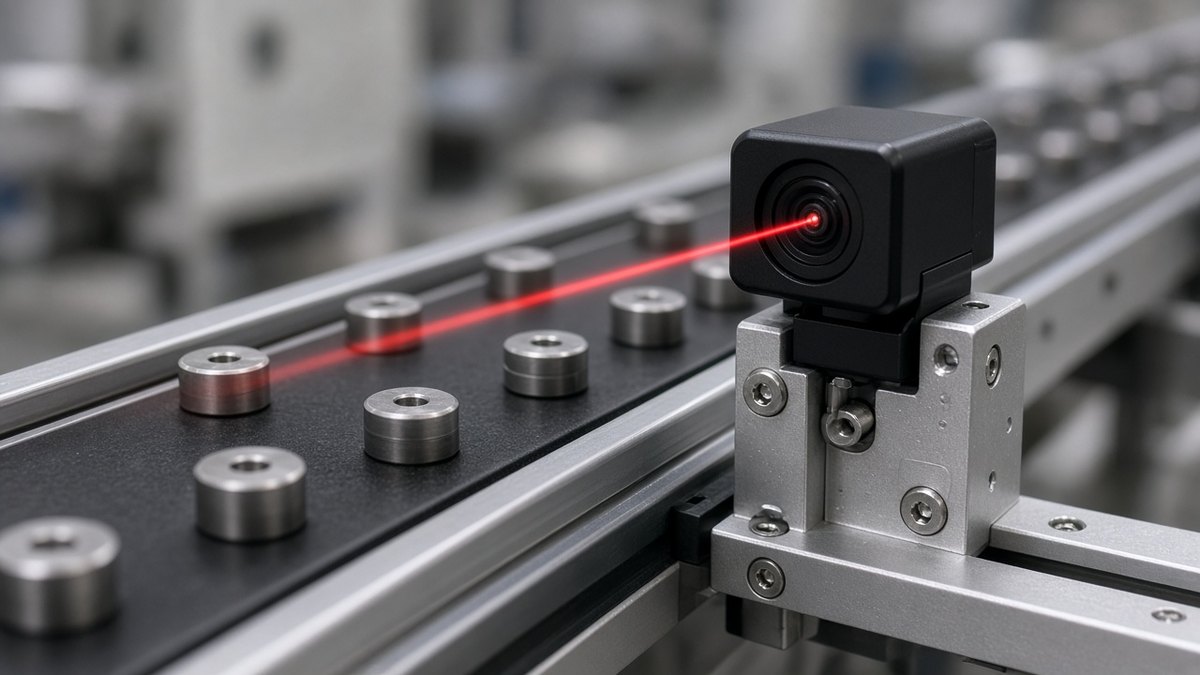
Every automated production line depends on a constant stream of information about what is happening at each stage of the process. Industrial sensors provide that information. They detect the presence of parts, measure positions, monitor temperatures and pressures, verify colors and contrasts and confirm that each operation has been completed correctly. Without reliable sensing, controllers would be unable to coordinate movements, reject faulty products or protect machines from damage. As production lines become faster and more flexible, the role of sensors becomes even more important. Higher speeds leave less time for detection, and frequent product changes require sensors that can adapt to different shapes, sizes and materials. Manufacturers are therefore paying closer attention to the selection, installation and maintenance of sensing devices. A well chosen sensor in the right position can prevent defects, reduce waste and avoid costly equipment collisions. Conversely, an unreliable sensor can trigger false stops, allow defective products to pass and frustrate operators. Understanding the strengths and limitations of different sensing technologies has become an essential part of designing and maintaining modern automated manufacturing systems across many different industries.
Choosing the Right Sensing Principle
Industrial sensors use a variety of physical principles, and each suits particular tasks. Photoelectric sensors detect objects using light and are widely used for presence detection on conveyors and in packaging machines. Fiber optic sensors extend this capability into tight spaces, high temperature zones or areas with electrical noise, since the sensing head contains no electronics. Inductive sensors detect metal objects without contact and are valued for their robustness in harsh environments. Capacitive sensors can detect non-metallic materials, including liquids and granules, sometimes even through container walls. Ultrasonic sensors measure distances and levels using sound waves and perform well with transparent or irregular surfaces. Vision systems capture images to inspect features, read codes and verify assembly. Selecting the right principle requires an understanding of the target material, the required speed, the environment and the available mounting space. Engineers often test several options before deciding, especially for challenging applications involving shiny, transparent or very small objects. Making the right choice at the design stage simplifies installation, reduces adjustment time and improves long term reliability, which benefits both production performance and maintenance workloads throughout the life of the equipment.
Detecting Defects Earlier in the Process
A major contribution of sensing technology is the ability to detect problems early. Traditional quality control often relied on inspection at the end of the line, where defects were discovered only after value had been added through several production steps. Modern sensing allows checks to be performed at each stage, catching issues as soon as they appear. A missing component, a misaligned part or an incorrect label can be identified immediately and removed before further processing. This approach reduces scrap, saves material and prevents defective products from reaching customers. It also provides valuable data for process improvement. When a particular station repeatedly reports deviations, engineers can investigate root causes, adjust equipment or refine procedures. Over time, this feedback loop leads to more stable processes and higher overall quality. Early detection also protects equipment. Sensors that confirm correct part positioning prevent collisions and jams that could damage tooling or machinery. In high value industries such as electronics, automotive components and medical devices, the economic benefits of early detection can be substantial, justifying careful investment in well designed sensing systems throughout the production line.
Installation Practices That Ensure Reliability
Even the best sensor will perform poorly if it is not installed correctly. Mounting position, alignment and protection all influence reliability. Sensors should be mounted securely to prevent movement caused by vibration, and brackets should allow precise adjustment during setup. Alignment is particularly important for through-beam and reflective sensors, where small deviations can reduce signal strength and cause intermittent detection. Environmental factors also deserve attention. Dust, oil mist, coolant spray and ambient light can interfere with optical sensors, while metal chips may affect inductive sensors. Protective housings, air purge systems and careful positioning help reduce these effects. Cable routing is another frequent source of problems. Cables that are pinched, stretched or exposed to repeated flexing may fail over time. Using suitable cable types, strain relief and proper routing channels extends service life. Fiber optic cables require special care to avoid tight bends that reduce light transmission. Clear labeling of sensors and their connections simplifies troubleshooting and replacement. By following good installation practices, manufacturers can significantly reduce false signals and unplanned stops, ensuring that sensors deliver consistent performance throughout demanding production shifts.
Maintenance and Replacement Planning
Sensors are often small and relatively inexpensive compared with other automation components, yet their failure can stop an entire line. For this reason, maintenance teams increasingly include sensors in their preventive maintenance and spare parts planning. Routine checks involve cleaning lenses and sensing faces, verifying alignment, inspecting cables and confirming that detection thresholds remain appropriate. Many modern sensors offer diagnostic indicators or signal strength displays that help technicians identify deterioration before a complete failure occurs. Keeping spare sensors for critical positions allows quick replacement when problems arise. Because many lines use a variety of sensor types, standardizing models where possible simplifies inventory and training. For older equipment, it is important to record exact sensor models and settings, since replacement units must match the original characteristics to work correctly with existing amplifiers and controllers. Accurate documentation of sensitivity settings and teach procedures enables new sensors to be configured quickly. When original models are no longer available, engineers can evaluate compatible alternatives in advance rather than during an emergency. Thoughtful maintenance planning ensures that these small but essential devices continue supporting reliable, high quality production every day.
Supporting Flexible and Varied Production
Manufacturers increasingly need to produce a wide range of product variants on the same line, often in smaller batches. Sensing technology plays a vital role in making this flexibility possible. Sensors with adjustable settings and multiple stored profiles can adapt quickly when a line changes between products. Vision systems can verify that the correct variant is being produced and that the right components have been fitted. Position sensors confirm that adjustable guides and fixtures have been set correctly before production restarts. These capabilities shorten changeover times and reduce the risk of errors during transitions. Operators benefit from clear feedback that confirms the line is ready, reducing reliance on manual checks. Flexible sensing also supports traceability, as identification devices can record which products passed through each station. This information helps manufacturers respond quickly to quality questions and meet customer documentation requirements. As product variety continues to grow across consumer goods, automotive supply and electronics, the ability of sensors to support fast, accurate changeovers will remain a key factor in maintaining both productivity and quality in competitive markets.
A Foundation for Consistent Quality
Industrial sensing technology may not always attract attention, yet it forms the foundation of consistent quality in automated manufacturing. From simple presence detection to sophisticated inspection, sensors provide the information that allows machines to work accurately and safely. Manufacturers who invest in the right sensing solutions, install them carefully and maintain them diligently gain clear advantages. They experience fewer false stops, lower scrap rates, better protection of equipment and greater confidence in the quality of their products. They are also better prepared to adapt to changing customer requirements and growing product variety. Looking ahead, sensors will continue to evolve, offering improved sensitivity, better resistance to harsh environments and more detailed diagnostic information. However, the fundamental principles of good practice will remain the same. Understanding the application, choosing appropriate technology, ensuring correct installation and planning for maintenance and replacement are essential steps. Supported by reliable supply of sensors and related components, these practices help manufacturers maintain high standards on busy production lines. In an environment where quality expectations continue to rise, dependable sensing is an investment that delivers value every single day.