

Blog
How Aging Production Lines Stay Competitive Through Careful Automation Maintenance

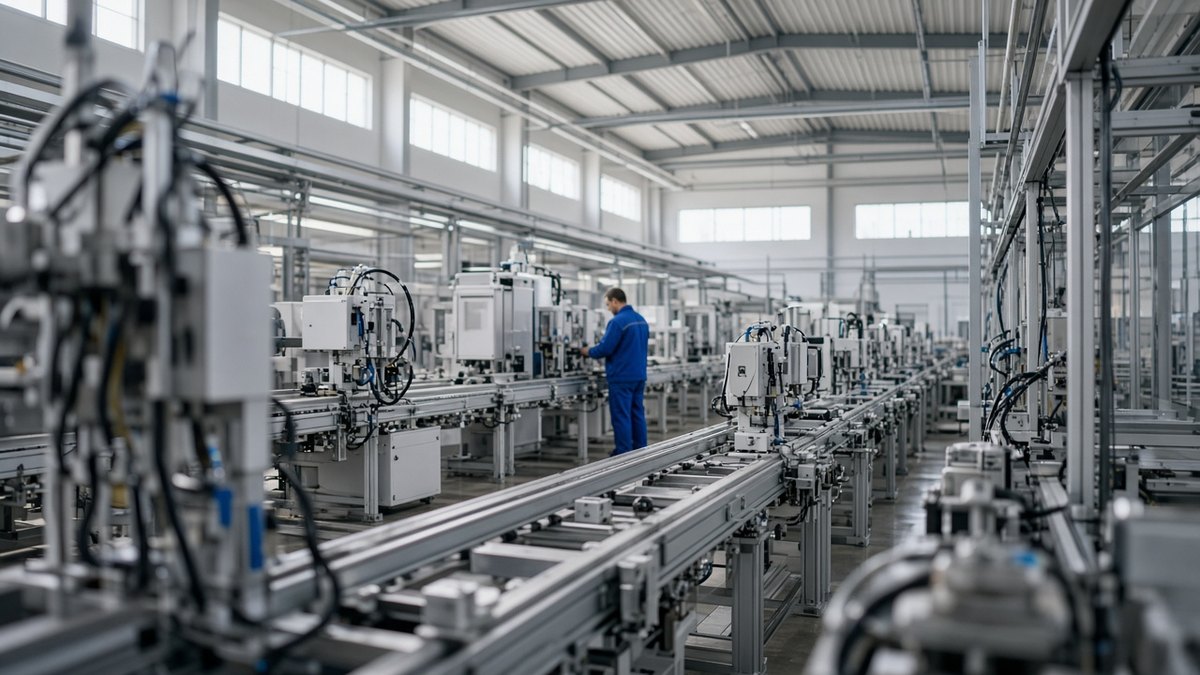
Established Equipment Remains the Backbone of Manufacturing
Across the global manufacturing landscape, a large share of daily output still comes from production lines that were installed many years ago. These lines were engineered to run for long periods, and their mechanical frames, conveyors and tooling often remain in excellent condition long after the original control hardware has left the catalog. For plant managers, the question is rarely whether the equipment can still make good parts. The real question is whether the electrical and automation layer can be kept healthy enough to support reliable production. Replacing an entire line involves major capital spending, long approval cycles, new validation work and the risk of disrupting customer deliveries. As a result, many factories are choosing a more measured path. They keep the proven mechanical base, protect the knowledge built into existing processes and focus their investment on the controllers, drives, motors and sensors that determine whether the line starts every morning. This approach has turned maintenance from a background activity into a strategic function. Engineering teams now treat the automation layer of older lines as a portfolio that must be managed, documented and renewed step by step, so that productivity is preserved while budgets remain under control and the plant stays flexible for future changes.
Understanding Where Failures Really Begin
Experienced maintenance engineers know that older lines rarely fail all at once. Problems tend to begin with components that experience constant thermal and electrical stress. Power electronics inside drives and amplifiers age as capacitors dry out and cooling fans lose performance. Contactors and relays wear with every switching cycle, and their contacts gradually develop pitting that raises resistance and heat. Encoders and feedback cables suffer from vibration, oil mist and repeated flexing, which can lead to intermittent faults that are difficult to trace. Controllers and circuit boards are usually robust, yet they can be affected by dust, humidity and voltage disturbances accumulated over years of service. By understanding these patterns, plants can move away from a reactive mindset. Instead of waiting for a breakdown, they map which parts are most exposed, review alarm histories and listen to operators who notice small changes in machine behavior. Simple measures such as checking cabinet temperatures, cleaning filters, tightening terminals and recording drive fault codes often reveal early warning signs. This kind of attention allows teams to plan interventions during scheduled stops rather than reacting to sudden stoppages that interrupt production and put pressure on everyone involved.
The Value of Like-for-Like Replacement
When a critical automation component fails on an older line, the fastest route back to production is often a direct replacement with the same type of part. Like-for-like replacement keeps wiring, parameters, software and mechanical interfaces unchanged, which means technicians can restore operation without redesigning the control system or rewriting validated programs. For regulated industries such as food, pharmaceuticals and automotive supply, avoiding design changes also avoids lengthy requalification work. This is why demand for legacy automation parts remains strong even as newer generations appear on the market. Maintenance teams search for controllers, servo amplifiers, drives and boards that match the original specifications and revision levels, because small differences can affect compatibility. Reliable sourcing, careful inspection and accurate identification of part numbers have become essential skills. Suppliers that can confirm condition, test function where possible and package sensitive electronics properly provide real value to these teams. In many plants, the ability to obtain a matching component quickly is the difference between a short interruption and an extended shutdown. Like-for-like replacement is not a step backward. It is a practical tool that protects existing investments while longer term modernization plans are prepared and funded.
Gradual Modernization Without Disruption
While direct replacement keeps lines running today, most manufacturers also recognize that every legacy system will eventually need renewal. The trend is toward gradual modernization that respects production schedules. Instead of replacing the entire control architecture in a single project, engineers upgrade sections of the line in phases. A typical approach might begin with motor drives, where newer variable speed technology offers better efficiency and diagnostics. Later phases may address operator panels, controllers and network infrastructure. Each step is planned so that the line can return to production at the end of a scheduled stop. Gateways and interface modules allow new and old equipment to communicate during the transition period, reducing the need for large simultaneous changes. This staged method spreads costs across several budget periods and allows teams to learn from each phase before beginning the next. It also limits risk, because any unexpected issue affects only a small part of the system. Importantly, gradual modernization gives the maintenance team time to update documentation, build familiarity with new hardware and adjust spare parts holdings. The result is a production line that evolves steadily rather than facing a sudden, high-risk transformation that could threaten delivery commitments.
Skills and Documentation as Hidden Assets
Behind every reliable older line stands a group of people who understand how it really works. Over the years, technicians learn the quirks of each machine, the parameters that matter most and the signs that indicate trouble ahead. As experienced staff retire, this knowledge can disappear unless it is captured deliberately. Leading manufacturers are therefore investing in structured documentation of their automation systems. They record wiring changes, store program backups in secure locations, photograph cabinet layouts and keep clear lists of installed components with part numbers and revision levels. Training programs pair younger technicians with senior colleagues so that practical troubleshooting skills are passed on. Clear documentation also supports faster procurement, since buyers can identify exactly which part is required without guessing. When a failure occurs at night or during a weekend, a well organized record can save hours of investigation. These efforts may seem modest compared with major equipment purchases, yet they often deliver greater returns. A line that is well understood and well documented is easier to maintain, easier to upgrade and far less vulnerable to unexpected disruption, which makes knowledge management a central part of any long term maintenance strategy.
Measuring Success Beyond Simple Uptime
Plants that manage older lines well tend to measure more than whether a machine is running. They track how often small faults occur, how long repairs take, how quickly replacement parts arrive and how much unplanned work disrupts the maintenance schedule. These indicators reveal whether the condition of the automation layer is improving or slowly declining. When the numbers move in the wrong direction, teams can investigate before a serious failure occurs. Regular reviews also help managers justify investment, because they show clearly where money spent on components, training or upgrades delivers the greatest benefit. Over time, this evidence-based approach builds trust between maintenance and management, and it turns decisions about older equipment into informed choices rather than emotional reactions to the latest breakdown on the shop floor.
A Balanced Path Toward Long Term Reliability
The experience of many factories shows that competitiveness does not depend only on having the newest machines. It depends on how well existing assets are managed. A balanced strategy combines preventive maintenance, reliable access to replacement components and a clear roadmap for modernization. Plants that follow this path can keep proven lines productive while investing selectively in improvements that bring measurable benefits such as lower energy use, better diagnostics and safer operation. Collaboration plays an important role. Maintenance teams, production managers, purchasing departments and external suppliers all need to share information about equipment condition, lead times and upcoming risks. When these groups work together, decisions about repair, replacement or upgrade can be made calmly and based on facts rather than urgency. Looking ahead, the industry is likely to see continued demand for both legacy parts and modern automation products, as manufacturers manage mixed generations of equipment side by side. Those who build flexible maintenance strategies today will be better prepared for future market shifts. By treating automation hardware as a long term asset rather than a disposable item, manufacturers can protect output, control costs and give their established production lines a valuable renewed life.